
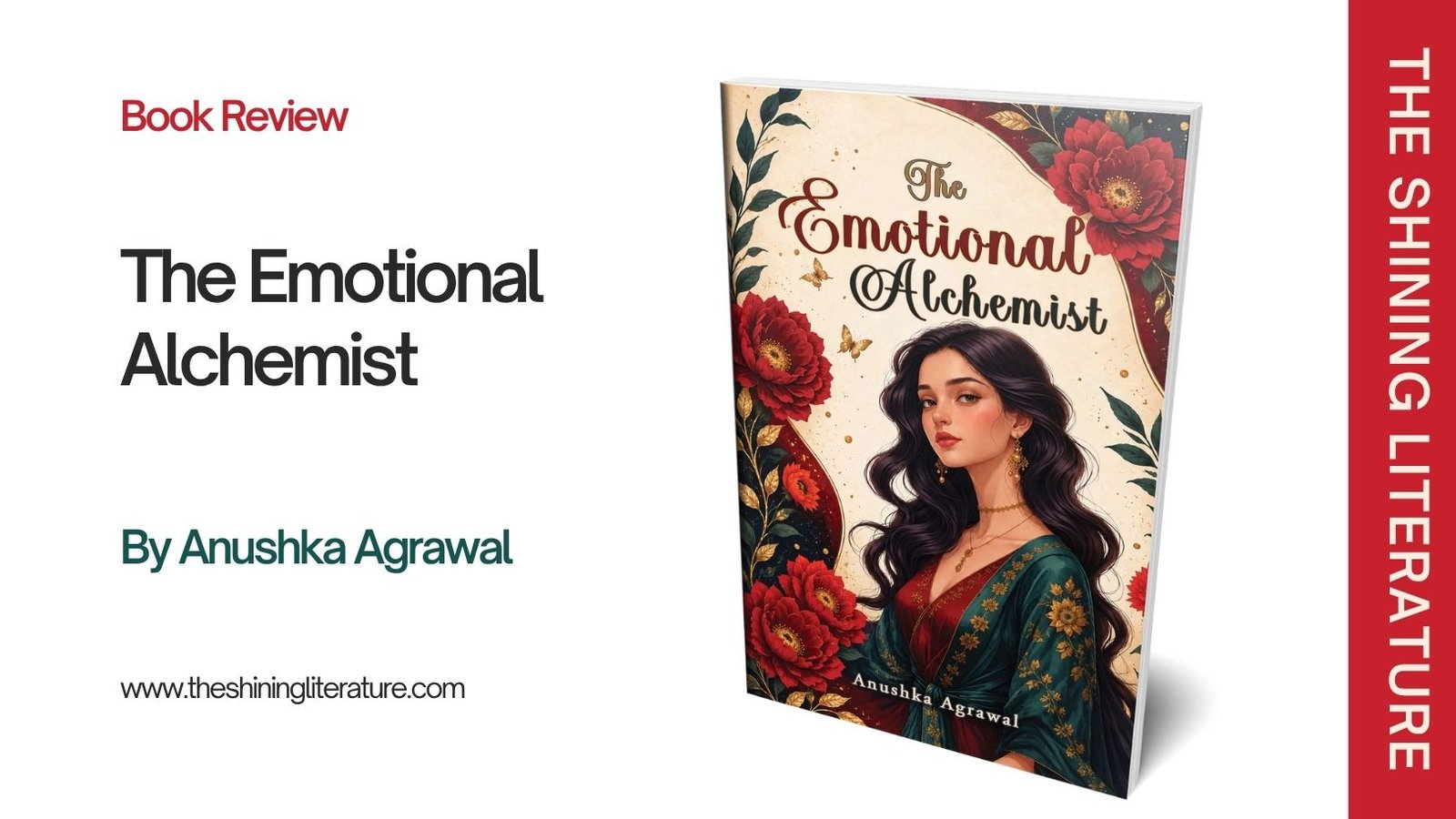
The Emotional Alchemist by Anushka Agrawal: A Poetic Journey Through Healing, Vulnerability and Self-Discovery
Human emotions are rarely simple. They exist in layers, shaped by memories, relationships, unspoken desires, and experiences that leave lasting impressions on the soul. In The Emotional Alchemist, author and counselling psychologist Anushka Agrawal explores these complexities through poetry and reflective prose, offering readers an intimate journey into the hidden landscapes of human existence.
Blending psychological insight with literary expression, the book examines emotional wounds, vulnerability, self-awareness, and the gradual transformation of pain into understanding. Rather than presenting healing as a destination, it invites readers to recognise the beauty, contradictions, and possibilities within their emotional experiences.
Exploring the Depths of Human Emotions Through Poetry
Emotions shape how individuals perceive themselves, connect with others, and navigate the world. Yet many feelings remain unexpressed, buried beneath expectations, fear, or the desire to appear strong.
The Emotional Alchemist explores these unspoken dimensions of human experience, bringing attention to the emotions people often struggle to articulate.
Through evocative imagery and contemplative writing, Anushka Agrawal reflects on the delicate relationship between emotional suffering and personal growth. Her words explore how sadness can coexist with hope, how vulnerability can reveal strength, and how seemingly broken experiences can become opportunities for deeper understanding.
Finding Meaning in Emotional Contradictions
One of the book’s central themes is the paradoxical nature of human existence.
People may desire closeness while fearing vulnerability, seek happiness while carrying unresolved grief, or long for change while remaining attached to familiar patterns.
Rather than treating these contradictions as weaknesses, the collection encourages readers to acknowledge them as natural aspects of being human.
This perspective creates space for acceptance, reflection, and a more compassionate understanding of the self.
The Art of Emotional Alchemy: Transforming Pain Into Understanding
Alchemy traditionally represents transformation, the process of turning something ordinary into something valuable.
In this literary exploration, emotional alchemy becomes a metaphor for personal evolution.
Pain does not disappear simply because someone wishes it away. Emotional healing often involves confronting difficult memories, recognising deeply rooted patterns, and learning to approach personal experiences with greater awareness.
The book captures this gradual process of transformation, suggesting that even painful experiences can contribute to a more meaningful understanding of life.
Why Emotional Healing Is a Journey, Not a Destination
Modern conversations about emotional well-being sometimes emphasise quick solutions and immediate positivity.
However, genuine self-discovery is rarely straightforward.
Healing can involve uncertainty, setbacks, reflection, and moments of unexpected clarity. The collection acknowledges these realities without reducing complex emotions to simple answers.
Its reflective approach encourages readers to appreciate personal growth as an unfolding process rather than a fixed achievement.
Vulnerability, Self-Awareness and the Courage to Look Within
Vulnerability is frequently misunderstood as fragility. Yet acknowledging difficult emotions requires considerable honesty and courage.
Through its exploration of emotional wounds and unspoken needs, The Emotional Alchemist invites readers to reconsider their relationship with vulnerability.
The collection reflects on the human desire to be understood, accepted, and loved, even when past experiences have encouraged emotional withdrawal.
Discovering Strength Through Self-Reflection
Self-awareness begins with curiosity about one’s inner world.
Why do certain experiences trigger strong reactions? Why do particular relationships awaken old fears? Why do people sometimes struggle to express their deepest needs?
These questions reflect the psychological dimensions underlying the book’s themes.
Rather than offering clinical explanations or therapeutic instructions, the writing creates opportunities for personal contemplation.
Readers are encouraged to recognise that understanding themselves may involve embracing uncomfortable emotions alongside moments of joy and confidence.
Where Psychology, Philosophy and Literature Meet
A distinctive aspect of the collection is its connection to the author’s professional background in counselling psychology.
Anushka Agrawal brings her interest in human behaviour, relationships, and emotional complexity into her literary work.
Her fascination with philosophy and psychological thought contributes to the introspective nature of her writing.
The Influence of Carl Jung and the Unconscious Mind
The author draws intellectual inspiration from Carl Jung, whose ideas about the unconscious, archetypes, and individuation continue to influence discussions about identity and self-understanding.
Jung’s exploration of the hidden dimensions of the psyche resonates with the collection’s interest in inner conflicts, emotional contradictions, and self-discovery.
While the book is a work of poetic reflection rather than an academic psychology text, these philosophical interests enrich its examination of the human experience.
Meet Anushka Agrawal: Counselling Psychologist, Author and Founder
Anushka Agrawal is a counselling psychologist, author, and founder of Heal With Anushka, an initiative associated with her work in psychological well-being.
With three years of experience in individual and couples therapy, she has developed a strong interest in understanding relationships, emotional needs, and the complexities of the human psyche.
Having authored five books, she combines her passion for psychology, literature, and philosophy to explore questions surrounding identity, vulnerability, and personal transformation.
Writing That Encourages Inner Exploration
Her literary approach reflects a belief in the importance of looking inward.
Through thoughtful observations and emotionally resonant language, she encourages readers to explore their inner conflicts, recognise their emotional patterns, and discover meaning in experiences that may initially appear confusing or painful.
Her work connects psychological curiosity with the expressive possibilities of literature.
Readers interested in learning more about her professional and literary journey can visit www.healwithanushka.in.
Why Read The Emotional Alchemist?
For readers drawn to introspective poetry, emotional healing, and philosophical reflections on life, this collection offers several compelling reasons to explore its pages.
- Emotional depth: It explores vulnerability, longing, emotional wounds, and the complexities of human relationships.
- Psychological insight: Its themes reflect the author’s interest in self-awareness and the hidden dimensions of the mind.
- Poetic expression: Evocative imagery and reflective prose bring abstract emotional experiences into focus.
- Personal connection: Readers may recognise elements of their own experiences within its exploration of human contradictions.
- Meaningful reflection: The collection encourages contemplation without prescribing a single path towards healing.
A Literary Invitation to Embrace the Human Experience
The Emotional Alchemist is ultimately an exploration of what it means to feel deeply, experience uncertainty, and continue evolving.
Through its combination of poetic expression and psychological curiosity, Anushka Agrawal presents emotional transformation as a deeply personal and gradual journey.
The collection reminds readers that darkness and light can exist together, vulnerability can coexist with strength, and emotional wounds need not define the entirety of one’s existence.
For anyone interested in poetry about emotional healing, self-discovery, and the complexities of human relationships, this book offers an opportunity to pause and reconnect with the often-overlooked dimensions of inner life.
Sometimes, transformation begins not by changing what we feel, but by learning to understand it.


